
Case study · nobg.eu
Pet photography
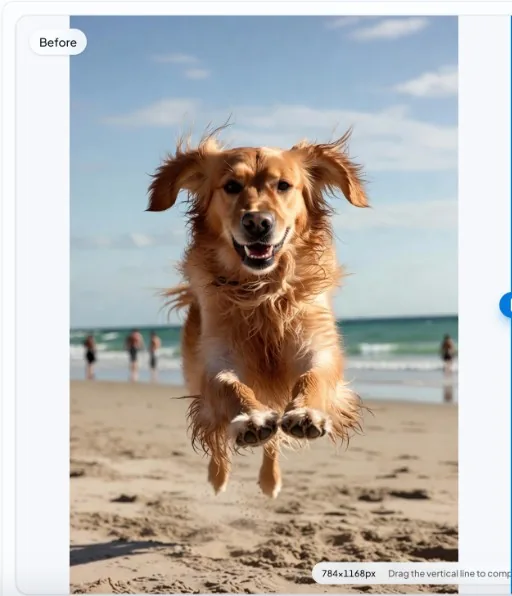
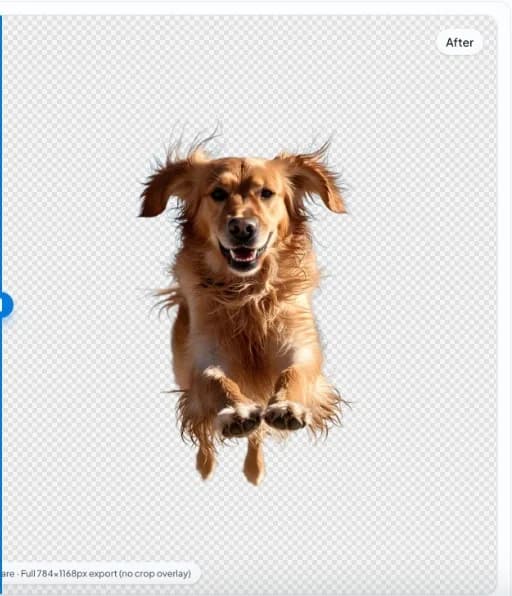
Pet photos are processed on-device on nobg.eu; fur softness affects how crisp the mask can look. This Pet Photography narrative emphasizes browser-local cutouts, transparent PNG masters, and channel-specific delivery without mandatory third-party upload loops during draft QA. This Pet Photography narrative emphasizes browser-local cutouts, transparent PNG masters, and channel-specific delivery without mandatory third-party upload loops during draft QA. This Pet Photography narrative emphasizes browser-local cutouts, transparent PNG masters, and channel-specific delivery without mandatory third-party upload loops during draft QA. This Pet Photography narrative emphasizes browser-local cutouts, transparent PNG masters, and channel-specific delivery without mandatory third-party upload loops during draft QA.
nobg.eu EditorialEditorial standards
Scope
Fur boundaries and soft edges with realistic expectations. Practical Pet Photography notes for teams evaluating privacy-preserving background removal on nobg.eu. Practical Pet Photography notes for teams evaluating privacy-preserving background removal on nobg.eu. Practical Pet Photography notes for teams evaluating privacy-preserving background removal on nobg.eu.
Pet Photography chapter 1
For Pet Photography workflows on nobg.eu, treat background removal as a controlled production step rather than a one-click gamble. Case-study chapter 1 covers goals, constraints, and export habits for Pet Photography. Start from a source file that already separates the subject from the backdrop in luminance and color; local segmentation amplifies good capture decisions and cannot invent missing edge data. Open the asset in the browser editor, run on-device inference, then inspect the mask at 100–200% zoom along high-risk edges before you export. Measure success by fewer re-uploads, cleaner marketplace acceptance, and clearer ownership of master files. Prefer transparent PNG or WebP masters when downstream systems support alpha, and flatten to a channel-required solid fill only after QA. Document filename patterns, padding conventions, and review checklists so teammates repeat the same quality bar without re-uploading assets to an external cutout API for every draft. When edges fail, fix lighting or reshoot rather than endlessly masking a compromised source—this is usually faster for Pet Photography catalogs and keeps privacy intact because pixels for the core edit stay in the browser session.
Pet Photography chapter 2
For Pet Photography workflows on nobg.eu, treat background removal as a controlled production step rather than a one-click gamble. Case-study chapter 2 covers goals, constraints, and export habits for Pet Photography. Start from a source file that already separates the subject from the backdrop in luminance and color; local segmentation amplifies good capture decisions and cannot invent missing edge data. Open the asset in the browser editor, run on-device inference, then inspect the mask at 100–200% zoom along high-risk edges before you export. Measure success by fewer re-uploads, cleaner marketplace acceptance, and clearer ownership of master files. Prefer transparent PNG or WebP masters when downstream systems support alpha, and flatten to a channel-required solid fill only after QA. Document filename patterns, padding conventions, and review checklists so teammates repeat the same quality bar without re-uploading assets to an external cutout API for every draft. When edges fail, fix lighting or reshoot rather than endlessly masking a compromised source—this is usually faster for Pet Photography catalogs and keeps privacy intact because pixels for the core edit stay in the browser session.
Pet Photography chapter 3
For Pet Photography workflows on nobg.eu, treat background removal as a controlled production step rather than a one-click gamble. Case-study chapter 3 covers goals, constraints, and export habits for Pet Photography. Start from a source file that already separates the subject from the backdrop in luminance and color; local segmentation amplifies good capture decisions and cannot invent missing edge data. Open the asset in the browser editor, run on-device inference, then inspect the mask at 100–200% zoom along high-risk edges before you export. Measure success by fewer re-uploads, cleaner marketplace acceptance, and clearer ownership of master files. Prefer transparent PNG or WebP masters when downstream systems support alpha, and flatten to a channel-required solid fill only after QA. Document filename patterns, padding conventions, and review checklists so teammates repeat the same quality bar without re-uploading assets to an external cutout API for every draft. When edges fail, fix lighting or reshoot rather than endlessly masking a compromised source—this is usually faster for Pet Photography catalogs and keeps privacy intact because pixels for the core edit stay in the browser session.
Pet Photography chapter 4
For Pet Photography workflows on nobg.eu, treat background removal as a controlled production step rather than a one-click gamble. Case-study chapter 4 covers goals, constraints, and export habits for Pet Photography. Start from a source file that already separates the subject from the backdrop in luminance and color; local segmentation amplifies good capture decisions and cannot invent missing edge data. Open the asset in the browser editor, run on-device inference, then inspect the mask at 100–200% zoom along high-risk edges before you export. Measure success by fewer re-uploads, cleaner marketplace acceptance, and clearer ownership of master files. Prefer transparent PNG or WebP masters when downstream systems support alpha, and flatten to a channel-required solid fill only after QA. Document filename patterns, padding conventions, and review checklists so teammates repeat the same quality bar without re-uploading assets to an external cutout API for every draft. When edges fail, fix lighting or reshoot rather than endlessly masking a compromised source—this is usually faster for Pet Photography catalogs and keeps privacy intact because pixels for the core edit stay in the browser session.
Pet Photography chapter 5
For Pet Photography workflows on nobg.eu, treat background removal as a controlled production step rather than a one-click gamble. Case-study chapter 5 covers goals, constraints, and export habits for Pet Photography. Start from a source file that already separates the subject from the backdrop in luminance and color; local segmentation amplifies good capture decisions and cannot invent missing edge data. Open the asset in the browser editor, run on-device inference, then inspect the mask at 100–200% zoom along high-risk edges before you export. Measure success by fewer re-uploads, cleaner marketplace acceptance, and clearer ownership of master files. Prefer transparent PNG or WebP masters when downstream systems support alpha, and flatten to a channel-required solid fill only after QA. Document filename patterns, padding conventions, and review checklists so teammates repeat the same quality bar without re-uploading assets to an external cutout API for every draft. When edges fail, fix lighting or reshoot rather than endlessly masking a compromised source—this is usually faster for Pet Photography catalogs and keeps privacy intact because pixels for the core edit stay in the browser session.
Before
After (export)
Workflow
- Use a well-lit, high-resolution photo.
- Run segmentation and inspect fur edges.
- Export transparent PNG for prints or social.
Export note
Very fine fur may retain partial transparency at edges—that is often desirable for natural composites.
FAQ
Pet Photography question 1?
In the Pet Photography story, teams kept cutout inference local, exported alpha masters, and only flattened when a channel required it (point 1).
Pet Photography question 2?
In the Pet Photography story, teams kept cutout inference local, exported alpha masters, and only flattened when a channel required it (point 2).
Pet Photography question 3?
In the Pet Photography story, teams kept cutout inference local, exported alpha masters, and only flattened when a channel required it (point 3).
Pet Photography question 4?
In the Pet Photography story, teams kept cutout inference local, exported alpha masters, and only flattened when a channel required it (point 4).