
Landing
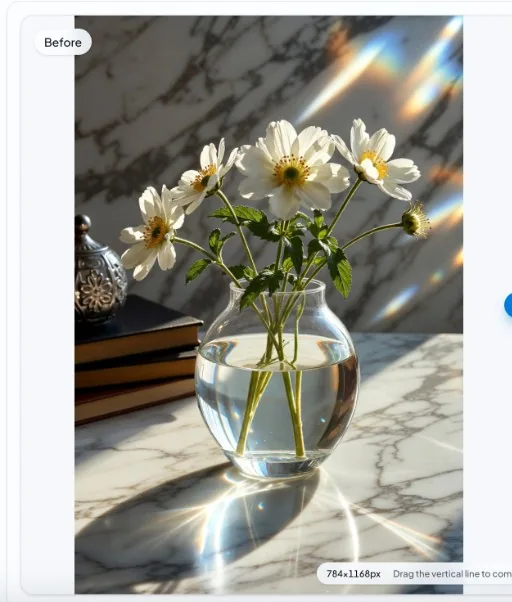
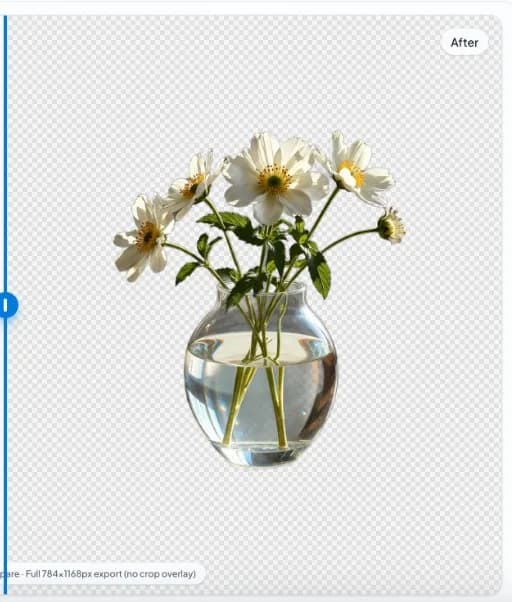
Remove background from glass — reflections and transparency
True glass behavior violates a simple foreground/background split. Automated tools can outline the container yet struggle where transparency dominates.
Before
After
Product photography angle
Controlled studio lighting reduces unpredictable reflections. eCommerce glass often needs retoucher time after auto segmentation.
Screenshots of UI glass
Flat UI with blur panels is a different domain than physical glass—results vary by contrast and resolution.
Transparency and refractive edges
Glass bottles and jars confuse opacity models. Shoot with a gentle backlight or gray cards behind the glass so walls read separately from contents. Expect manual cleanups on logos printed on the glass itself. On nobg.eu, Glass workflows keep core segmentation in the browser session so you can reject bad masks before publishing. Document filename conventions and keep pristine masters outside social recompression paths.
Label and liquid fills
Preserve label corners and liquid meniscus lines. Zoom both silhouette and interior graphics. Local iteration beats waiting on cloud queues when you are aligning a 20-SKU beverage pack. On nobg.eu, Glass workflows keep core segmentation in the browser session so you can reject bad masks before publishing. Document filename conventions and keep pristine masters outside social recompression paths.
Export for ecommerce
Transparent PNG on dark theme stores looks premium; Amazon main images still want white. Keep both derivatives from one alpha master. Never save the alpha through WhatsApp or Instagram downloads. On nobg.eu, Glass workflows keep core segmentation in the browser session so you can reject bad masks before publishing. Document filename conventions and keep pristine masters outside social recompression paths.
Glass operator note 6
Additional Glass guidance for AdSense-quality depth: verify edges on multiple plates, keep originals, and prefer local interactive QA over opaque credit meters when assets are unpublished or sensitive. Note 6 exists so this landing remains uniquely useful versus sibling remove-background-from pages.
Glass operator note 7
Additional Glass guidance for AdSense-quality depth: verify edges on multiple plates, keep originals, and prefer local interactive QA over opaque credit meters when assets are unpublished or sensitive. Note 7 exists so this landing remains uniquely useful versus sibling remove-background-from pages.
Quick steps
- Open image. Load the glass product or scene in the editor.
- Generate mask. Run local segmentation and review reflection boundaries.
- Touch up if required. Export PNG and refine problematic areas in a bitmap editor.
FAQ
How do I prep Glass sources?
Maximize subject/backdrop separation, avoid heavy JPEG damage, and shoot enough resolution for the final Glass deliverable.
Is Glass cutout inference local on nobg.eu?
Yes for the core edit path—segmentation runs in your browser session. Read Privacy for site telemetry separate from cutouts.
Which export fits Glass?
Transparent PNG/WebP masters first; flatten only when a channel forbids alpha.
What breaks Glass masks?
Low contrast, blur, and matching luminance between subject and backdrop. Fix capture before stacking AI passes.
How should I QA Glass?
White, dark, and brand plates at 200% zoom on critical edges before upload.