
Landing
Remove background from a signature — local browser AI
Signatures are high-contrast ink strokes, but scans pick up paper texture and shadows. A local browser workflow helps you isolate the stroke while keeping image files off a cloud processing queue.
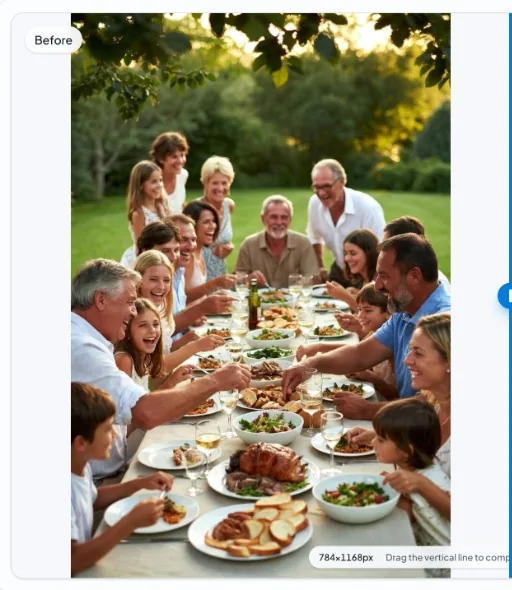
Before
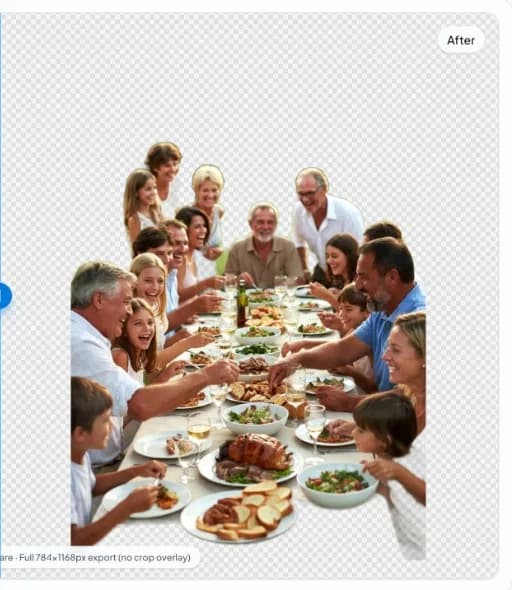
After
Why local processing fits signatures
Signed documents are sensitive. Processing locally reduces unnecessary image transfer and keeps the scan on your device for the cutout step.
Practical export tips
Prefer transparent PNG for overlays. If edges look noisy, re-scan with even lighting, then refine feathering in your layout tool after export.
Limits to expect
Very faint pencil lines, smudges, or colored backgrounds can confuse any segmentation model. Start from the cleanest scan you have.
Ink contrast and paper grain
Signatures fail when ink almost matches paper or when scans introduce mottled noise. Rescan at higher DPI on a clean plate before expecting a one-pass mask. Local browser cutouts cannot invent missing contrast; they amplify what the scan already separates. On nobg.eu, Signature workflows keep core segmentation in the browser session so you can reject bad masks before publishing. Document filename conventions and keep pristine masters outside social recompression paths.
Crop and padding for forms
Leave consistent padding around the signature so PDF forms and email templates do not clip strokes. Export a transparent PNG master, then place it onto white or transparent canvases depending on the destination document system. On nobg.eu, Signature workflows keep core segmentation in the browser session so you can reject bad masks before publishing. Document filename conventions and keep pristine masters outside social recompression paths.
Legal and authenticity notes
A cutout is not a certified digital signature. Keep originals and record which scan produced the approved alpha master. Teams handling contracts should store audit copies separately from marketing asset folders. On nobg.eu, Signature workflows keep core segmentation in the browser session so you can reject bad masks before publishing. Document filename conventions and keep pristine masters outside social recompression paths.
Signature operator note 7
Additional Signature guidance for AdSense-quality depth: verify edges on multiple plates, keep originals, and prefer local interactive QA over opaque credit meters when assets are unpublished or sensitive. Note 7 exists so this landing remains uniquely useful versus sibling remove-background-from pages.
Quick steps
- Open the editor. Open nobg.eu and load your signature scan in the browser.
- Run local segmentation. Let the model estimate foreground; adjust if your UI offers refinement controls.
- Export transparent PNG. Download PNG or WebP with alpha for placement in PDF or email tools.
FAQ
How do I prep Signature sources?
Maximize subject/backdrop separation, avoid heavy JPEG damage, and shoot enough resolution for the final Signature deliverable.
Is Signature cutout inference local on nobg.eu?
Yes for the core edit path—segmentation runs in your browser session. Read Privacy for site telemetry separate from cutouts.
Which export fits Signature?
Transparent PNG/WebP masters first; flatten only when a channel forbids alpha.
What breaks Signature masks?
Low contrast, blur, and matching luminance between subject and backdrop. Fix capture before stacking AI passes.
How should I QA Signature?
White, dark, and brand plates at 200% zoom on critical edges before upload.